Jul 23, 2026Buying Guides
Dry-Powder Spot Lifter: JJW-831, 830 and 832 Compared
Compare JJW-831, JJW-830 and JJW-832 for textile spot removal, including dry-powder extraction, fabric limits, stain scope, trials, and sourcing.
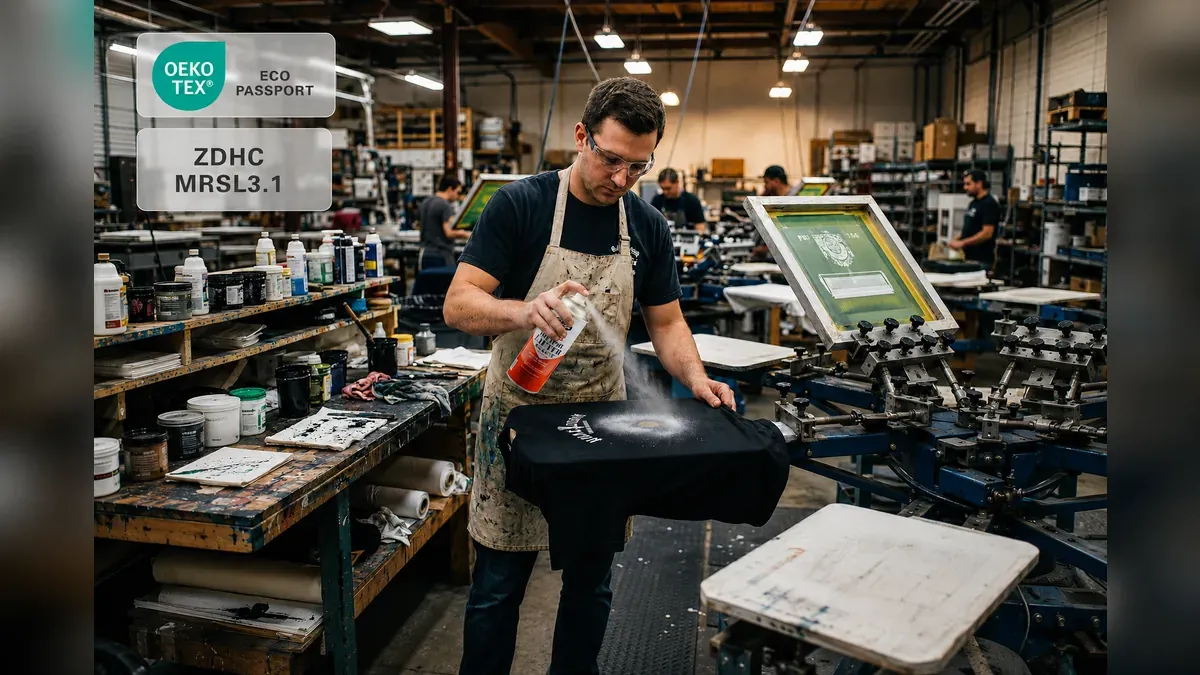
Dry-Powder Spot Lifter: JJW-831, 830 and 832 Compared
A dry-powder spot lifter treats a stain locally, then leaves a dry residue that can be brushed or vacuumed away. This workflow can be useful when a garment factory wants to avoid wet washing a finished piece, but it adds its own questions: How long does the residue take to form? Is it easy to remove from dark or textured fabric? Does the treated area remain free from a visible ring?
Huajie Chemical lists JJW-831 and JJW-830 as dry-extraction products for oils, grease, and industrial soils. JJW-832 has a broader multi-surface position and targets marks such as tar, fresh paint, grease, and everyday stains on fabrics and soft interiors.
The website gives JJW-831 the clearest dry-powder procedure. Buyers comparing all three should ask for current technical sheets because the public descriptions of JJW-830 and JJW-831 overlap heavily and do not establish a complete formula-level difference.
How JJW-831 dry extraction works
The JJW-831 Spot Lifter page describes a volatile carrier that loosens oil or grease and leaves the lifted soil in a white powder after drying. The stated method is to spray from about 8 inches away, allow more than 10 minutes for drying and powder formation, then brush or vacuum away the residue. Heavy stains may need a repeat treatment.
That sequence is easy to understand, but production approval should examine the full result. White powder that is obvious and easy to remove on a smooth pale fabric may sit in the texture of black corduroy or an open weave. Test residue removal as carefully as stain removal.
Huajie lists wool, cotton, silk, corduroy, Dacron, nylon, Orlon, and synthetic fabrics for JJW-831. The page also warns against use on plastic, rubberized fabrics, leather, and varnished or lacquered work surfaces. Keep overspray away from those materials and confirm the current instructions before factory use.
Where JJW-830 fits
JJW-830 Spot Lifter is also presented for high-precision dry extraction of industrial oil, grease, and processing soils. Its web page describes the same 8-inch application distance, a drying period of more than 10 minutes, white-powder residue, and brush-or-vacuum removal.
Because those public details are so similar, do not invent a distinction based on the model number. Ask Huajie what changes between JJW-830 and JJW-831 in formula, package, intended market, stain range, fabric limits, or supporting documents. If both are offered, test them side by side and label every sample clearly.
This is also a good reason to keep procurement records by SKU and batch. Similar names can lead to a wrong reorder if the approved product is recorded only as “dry spot lifter.”
When JJW-832 is the more relevant comparison
JJW-832 Spot Lifter is positioned for a wider set of surfaces: upholstery, slipcovers, carpeting, clothing, hats, neckties, wallpaper, and other soft decorative materials. The listed target marks include tar, fresh paint, grease, oily residue, food spots, and handling stains.
Huajie names wool, cotton, silk, and synthetic fabrics in its compatibility range. Its published directions call for applying the product, allowing it to work, then blotting, brushing, or cleaning in a way suited to the material. The page does not describe the same white-powder sequence shown for JJW-831.
For a garment line focused on machine oil and industrial grease, JJW-831 or JJW-830 may be the more direct starting point. A professional-cleaning or retail range that needs broader interior-textile applications may have a stronger reason to test JJW-832.
Compare the complete cleaning cycle
The winning product is not always the one that makes the stain disappear fastest. Include preparation, drying, residue removal, inspection, and any repeat treatment in the timing.
Use a scorecard with these fields:
- stain type, age, and amount;
- fabric, color, finish, and lot number;
- spray distance and application amount;
- time until the area is fully dry;
- powder amount and ease of brushing or vacuuming;
- ring, halo, color, texture, or gloss change;
- number of treatments;
- total operator time;
- pass or fail under quality-control lighting.
Run the same test on both faces of textured fabric if residue can lodge in the weave. Check the surrounding worktable and nearby plastic or coated parts for overspray exposure.
Treat certification language carefully
The JJW-830 and JJW-831 pages refer to OEKO-TEX and ZDHC MRSL 3.1. Do not transfer those claims to a label, tender, or customer declaration without reviewing the current reports. Confirm the precise SKU, test or assessment scope, issue date, and wording permitted by the document owner.
A safety data sheet and product specification answer different questions from a textile chemical certificate. Collect the full set required by the destination customer rather than relying on a badge or a sentence on a web page.
Set up the factory station
Dry-powder extraction needs a controlled place for spraying, drying, brushing, and waste collection. Separate the treated garment from clean pieces while the formula dries. Use ventilation and personal protective measures stated in the current safety data sheet.
If vacuum removal is approved, make sure the equipment and filter are suitable for the residue and workplace procedure. If brushing is used, specify the brush type and cleaning frequency. A dirty brush can transfer oil or white powder to the next garment.
Train operators to stop when a fabric shows color change, surface distortion, or difficult residue. More product is not always the correct response.
Buying recommendation
Test JJW-831 when a defined dry-powder routine fits the production line. Include JJW-830 only after Huajie clarifies the SKU difference and supplies the corresponding technical information. Test JJW-832 when the required stain and surface range extends beyond factory oil and grease.
For the broader procurement process, see the fabric spot lifter buying guide. To arrange a comparison set, contact Huajie Chemical with stained samples, fabric details, current cleaning steps, and the documents required by your customer.
FAQ
What is a dry-powder spot lifter?
It is a localized stain treatment that dries into a powder containing lifted soil. The operator then brushes or vacuums the dry residue from the textile.
How long does JJW-831 take to form powder?
Huajie’s product page says to allow more than 10 minutes. Actual time can vary with application amount, fabric, temperature, humidity, and ventilation, so measure it during the factory trial.
Are JJW-830 and JJW-831 the same product?
Their public descriptions overlap, but buyers should not assume they are identical. Request current specifications and a written explanation of the SKU difference.
Can JJW-831 be used on leather or rubberized fabric?
The product page says not to use it on leather, rubberized fabrics, or plastics. Confirm the current label and technical sheet before use.
Is JJW-832 a dry-powder product?
Its public page describes broad spot lifting and blotting or brushing but does not set out the same white-powder process published for JJW-831. Ask Huajie for the current application method.