Jul 28, 2026Buying Guides
Chassis Armor Spray: Underbody Protection Buyer Guide
Learn how to select chassis armor spray by surface preparation, application control, underbody coverage, packaging, documentation, and B2B testing.
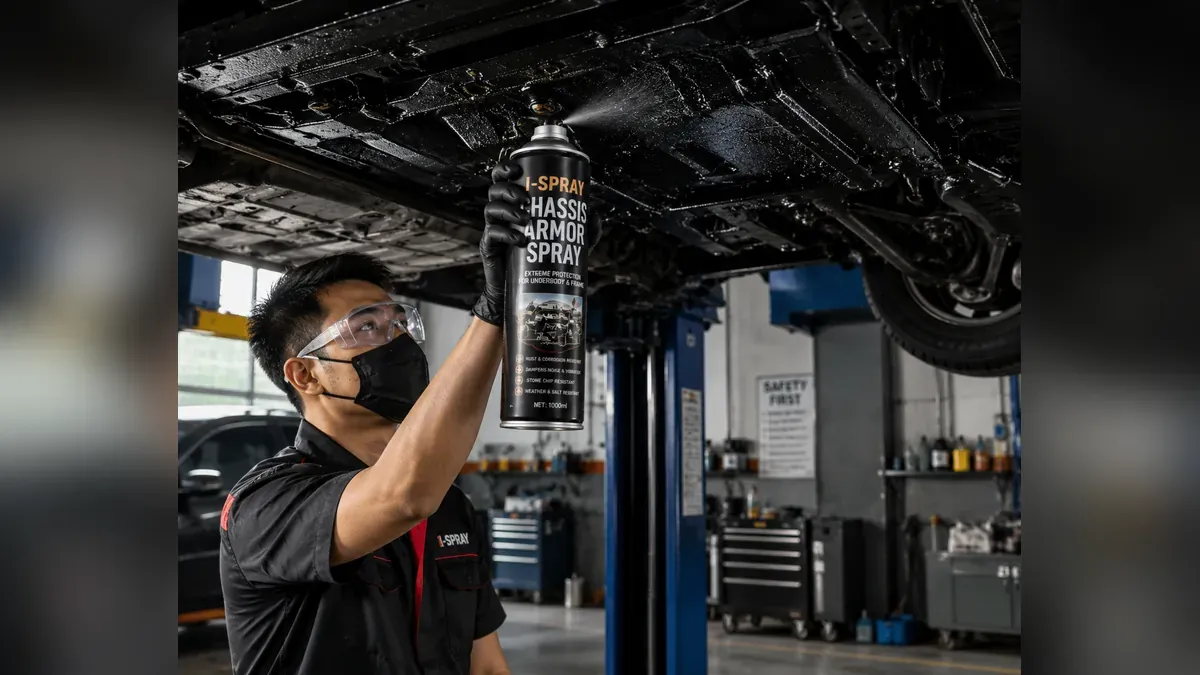
Chassis armor spray is a protective coating for approved vehicle underbody, frame, and exposed metal areas. Its result depends as much on surface preparation and application control as on the material in the can.
Spraying over oil, loose rust, dirt, or moisture can trap a problem beneath the coating. Buyers should therefore evaluate the product as part of a complete process: inspection, cleaning, masking, application, drying, and later maintenance.
This guide covers the checks distributors, workshops, fleet buyers, and private-label brands should make before ordering.
Define the surfaces and exposure
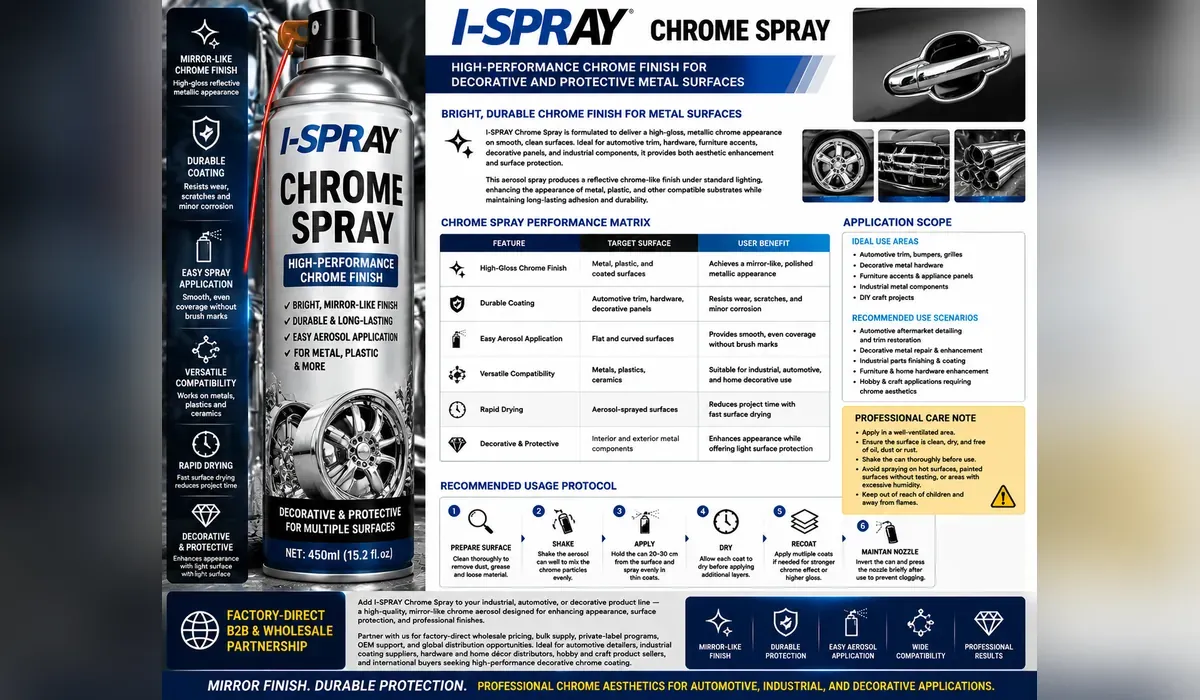
Huajie's I-SPRAY Chassis Armor Spray is listed for vehicle underbodies, frames, floor pans, wheel arches, rocker areas, trailers, and exposed metal components. The product page positions it for protection against corrosion, road wear, water, salt, and stone impact.
That application list is a starting point. The buyer should still define the target vehicle type, substrate, existing coating, road environment, and service channel.
A detailing center applying protection to new vehicles has a different surface condition from a repair shop working on older vehicles with rust and previous coatings. Fleet and off-road users may also need different inspection and recoat procedures.
Surface preparation determines the result
The surface should be clean, dry, and properly prepared according to the approved instructions. Remove dirt, grease, loose material, and rust using methods suitable for the substrate and existing finish.
Do not treat a quick wipe as a universal preparation method. Sample testing should include the real surface conditions customers will encounter.
Before coating, inspect:
- active corrosion and loose scale;
- oil, grease, mud, salt, and cleaning residue;
- factory coatings and previous repair materials;
- seams, cavities, drain holes, and edges;
- nearby brakes, exhaust components, sensors, tires, and moving parts;
- areas that must remain uncoated for service or safety.
Masking and access planning should be part of the written application procedure.
Test coverage, build, and spray control
Spray pattern
Underbody work includes broad panels, narrow edges, wheel arches, and hard-to-reach sections. Test whether the actuator gives enough control for the target area. Record overspray, sputtering, blockage, and performance at practical can angles.
Film appearance
Apply the product to representative panels using the stated distance and number of passes. Inspect coverage, texture, runs, pinholes, edge build, and missed areas. A thick-looking coating is not proof of better protection.
Drying and handling
Record when the surface can be inspected, handled, or returned to service according to the product instructions and test conditions. Do not publish a fixed drying time unless it is supported for the supplied product and relevant environment.
Compatibility
Test the coating over the approved bare metals, painted surfaces, primers, and existing underbody materials that customers use. Watch for softening, lifting, poor adhesion, staining, or unwanted interaction.
Compatibility results should stay tied to the tested system. One steel panel does not approve every vehicle substrate.
Areas that should be excluded
The Huajie product page warns against spraying brakes, exhaust systems, tires, and sensitive sensors. Buyers should expand the exclusion diagram only with verified technical guidance.
An underbody product should not interfere with drainage, inspection marks, fasteners, electrical connections, or parts that become hot or move during operation. Workshop instructions should tell the applicator where to stop, not only where to spray.
Clear exclusion images are especially useful for retail or less experienced users.
A repeatable buyer test
Use written panels and vehicle trials.
- Select representative substrates and existing coatings.
- Record the preparation method for each panel.
- Mask a reference area so coverage can be compared.
- Apply a controlled number of passes at the stated distance.
- Record spray behavior, material use, appearance, and drying.
- Inspect adhesion and compatibility using an agreed method.
- Expose panels to conditions relevant to the target channel.
- Photograph and retain samples for comparison.
For vehicle trials, document every masked and coated area. This prevents a good result from depending on an individual applicator's memory.
Package and production checks
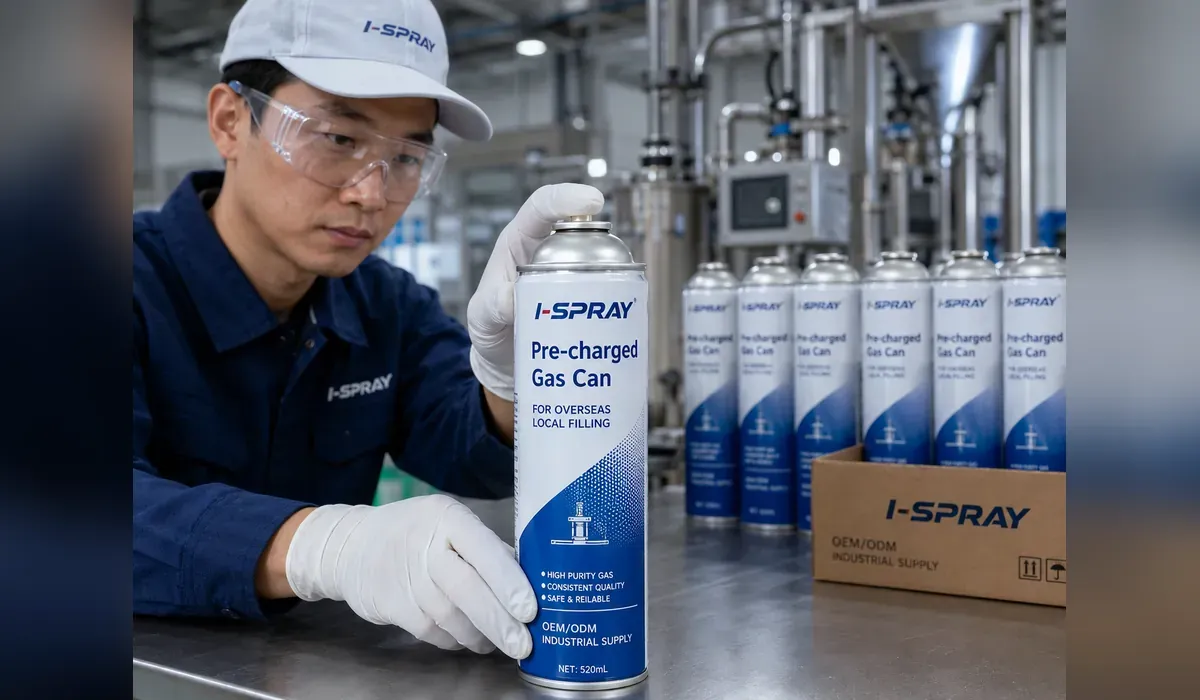
The coating, can, valve, actuator, and cap must work together. Heavier products can be more demanding on mixing and spray performance, so test several cans after storage and repeated use.
Ask the supplier how it controls:
- fill weight and batch consistency;
- mixing instructions and can agitation;
- valve and actuator output;
- nozzle blockage and clearing procedure;
- can leakage and seam integrity;
- carton strength and export handling;
- batch codes and retained samples.
The product page advises inverting the can and briefly clearing the nozzle after use. This instruction should remain visible if it applies to the final private-label product.
Positioning it with other protective products
Chassis armor spray can be sold beside I-SPRAY Battery Terminal Protector, but they protect different areas. One is for approved underbody and exposed metal surfaces; the other is for clean battery terminals and connectors.
Distributors can also pair underbody protection with an Engine Cleaner used during preparation where the exact surface and instructions allow. Do not imply that every cleaner is suitable under every coating. The preparation product and coating system must be checked together.
Questions to ask a supplier
Ask for clear answers before approving the range:
- Which substrates and existing coatings are approved?
- Which vehicle areas are excluded?
- What preparation method was used in product tests?
- What spray distance, passes, and nozzle-clearing procedure apply?
- How are drying and recoating described for the supplied product?
- What compatibility and protection tests support the claims?
- What safety, transport, label, and batch documents are available?
- Which can, actuator, cap, carton, and artwork options can be supplied?
Avoid replacing these answers with a generic claim such as "works on all metal."
Final recommendation
Select chassis armor spray by the full application system. Confirm the substrate, preparation, masked areas, spray control, film behavior, drying, inspection, and maintenance before ordering.
To discuss samples or private-label underbody products, contact Huajie Chemical with the vehicle types, surfaces, road conditions, sales channel, preferred package, and target market.
FAQ
Can chassis armor spray be applied over rust?
Do not coat over loose rust or contamination. Follow the approved preparation instructions and confirm whether any remaining stable surface or treatment is compatible with the supplied coating.
Where should chassis armor spray not be used?
The Huajie product page excludes brakes, exhaust systems, tires, and sensitive sensors. Other exclusions should be confirmed for the vehicle and product.
How many coats are required?
Use the instructions for the exact supplied product and target exposure. Do not assume that more material always gives a better result.
What should distributors test in a sample?
Test surface preparation, spray pattern, coverage, texture, runs, drying, compatibility, nozzle performance, and packaging across several cans.
Can it reduce road noise?
The Huajie product page includes noise and vibration damping among its stated functions. Any private-label performance wording should match verified testing and the final supplied product.